
Why Detox Starts With Drainage, Not Cleanses
If you’ve ever tried a detox, cleanse, or healing protocol and felt worse instead of better, it’s not a sign that detoxing “doesn’t work.” More often, it’s a sign that your elimination pathways weren’t ready.
Detoxification is not something we force — it’s something the body already does every day. Our role is to support the systems that remove waste, not overwhelm them.
Before any cleanse, supplement protocol, nervous system reset, or healing regimen, the most important question is:
Before I mobilize toxins, are my detox pathways open and eliminating efficiently?
What Are Elimination Pathways?
Elimination pathways are the body’s built-in systems for removing metabolic waste, toxins, hormones, and byproducts of daily living. When these pathways are supported, detox happens naturally and gently. When they’re overwhelmed or sluggish, toxins get reabsorbed and symptoms accumulate.
The 7 primary elimination pathways are:
- Liver
- Kidneys
- Colon (bowels)
- Skin
- Lungs
- Lymphatic system
- Gallbladder (bile flow)
All seven must work together. Supporting only one — especially the liver (doing a liver flush without prep) — without addressing elimination is a common mistake.
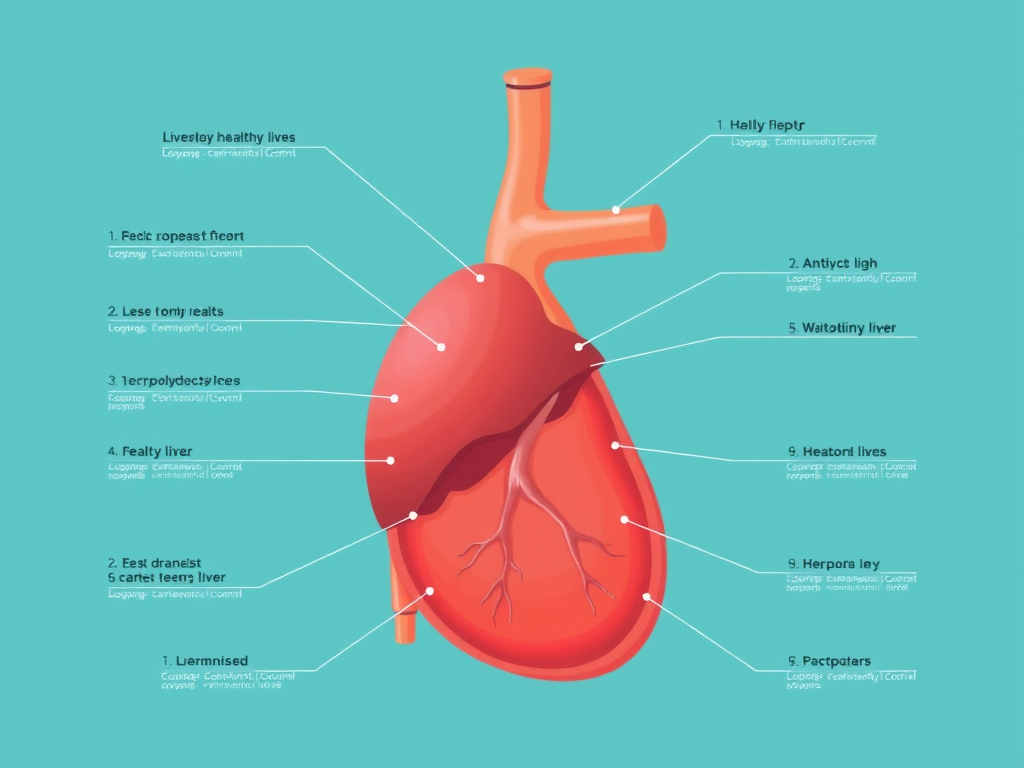
1. Liver — The Processing Center
What it does:
The liver transforms toxins into forms that can be safely eliminated. It does not remove toxins on its own — it packages them for exit.
How to support it naturally:
- Adequate protein (amino acids are essential)
- Cruciferous vegetables (broccoli, cabbage, arugula)
- Bitter foods (dandelion, lemon, artichoke)
- Hydration
- Reducing alcohol and ultra-processed foods
Signs it’s working well:
- Stable energy
- Clear skin
- Balanced hormones
- Good digestion
Signs of overload:
- Headaches
- Hormonal imbalance
- Skin issues
- Chemical sensitivity
- Fatigue
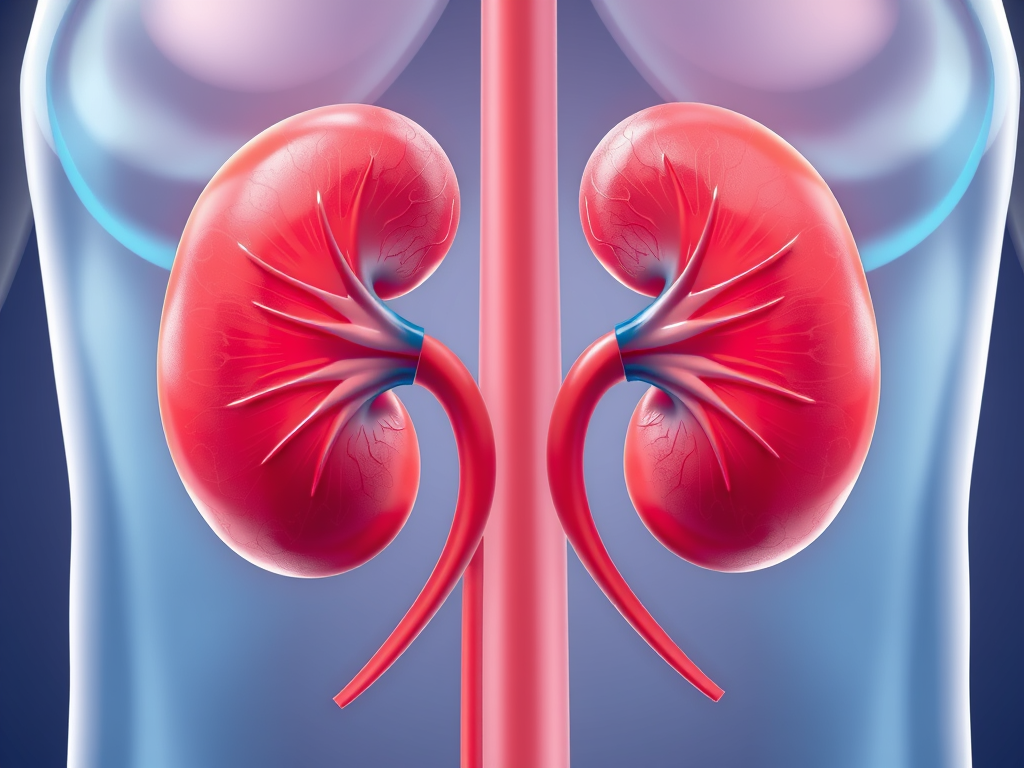
2. Kidneys — The Fluid Filters
What they do:
The kidneys filter water-soluble waste and regulate fluid and mineral balance.
How to support them:
- Consistent hydration (not extremes)
- Electrolyte balance
- Mineral-rich foods
- Avoiding excessive caffeine and dehydration
Healthy signs:
- Clear to pale yellow urine
- Stable energy
- Minimal swelling
Overload signs:
- Dark urine
- Puffiness
- Frequent urination or retention
- Low back discomfort
*This post contains affiliate links for detox support tools that I use consistently and believe are extremely helpful in supporting detox pathways. As an Amazon Associate, I earn from qualifying purchases. This means that if you click on a link and make a purchase, I may receive a small commission at no additional cost to you. I only recommend products I genuinely love or believe will add value to your home and wellness journey. Thank you for supporting my work!
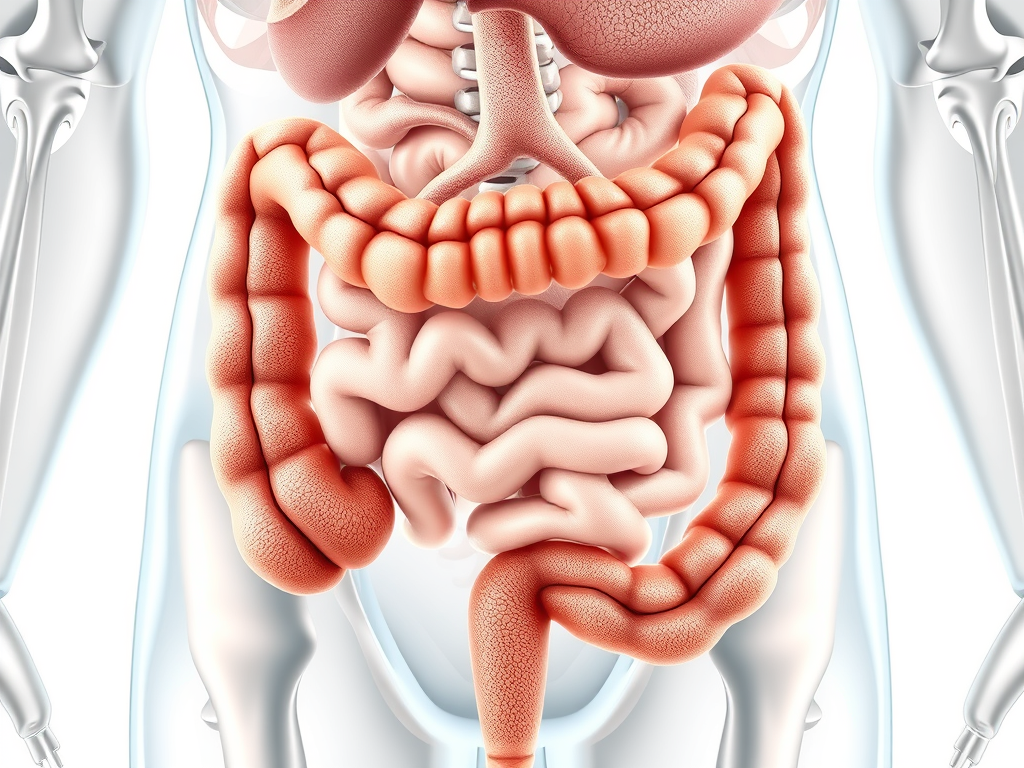
3. Colon — The Exit Route
What it does:
The colon removes waste that the liver has already processed. If stool isn’t moving, toxins are reabsorbed.
How to support it:
- Daily bowel movements (1–3/day is normal)
- Fiber from whole foods
- Magnesium
- Gentle movement
- Nervous system regulation (gut = brain)
Healthy signs:
- Regular, easy bowel movements
- No bloating or straining
Overload signs:
- Constipation or diarrhea
- Gas, bloating
- Skin flare-ups
- Hormone issues
- Autoimmune flares
- Anxiety
**If you or someone you love is struggling with reflux, bloating, or unexplained digestive discomfort, this online education could be helpful. “The Reflux Summit” brings together world-class experts (25+ experts in gut health, lifestyle, and functional medicine) sharing practical, natural strategies for lasting relief. The goal of this self-paced on-line education is focused on helping people uncover the real causes of chronic digestive symptoms and how to heal from the inside out. CHECK OUT THE REFLUX SUMMIT HERE
____________________________________________________________________________________
4. Skin — The Secondary Detox Organ

What it does:
The skin eliminates toxins through sweat and oil glands.
How to support it:
- Sweating-very important (gentle exercise, sauna) Two Person Home Sauna Here
- Dry brushing
- Mineral baths
- Non-toxic skincare
Healthy signs:
- Clear or improving skin
- Ability to sweat
Overload signs:
- Rashes, acne, eczema
- Body odor changes
- Inflammation
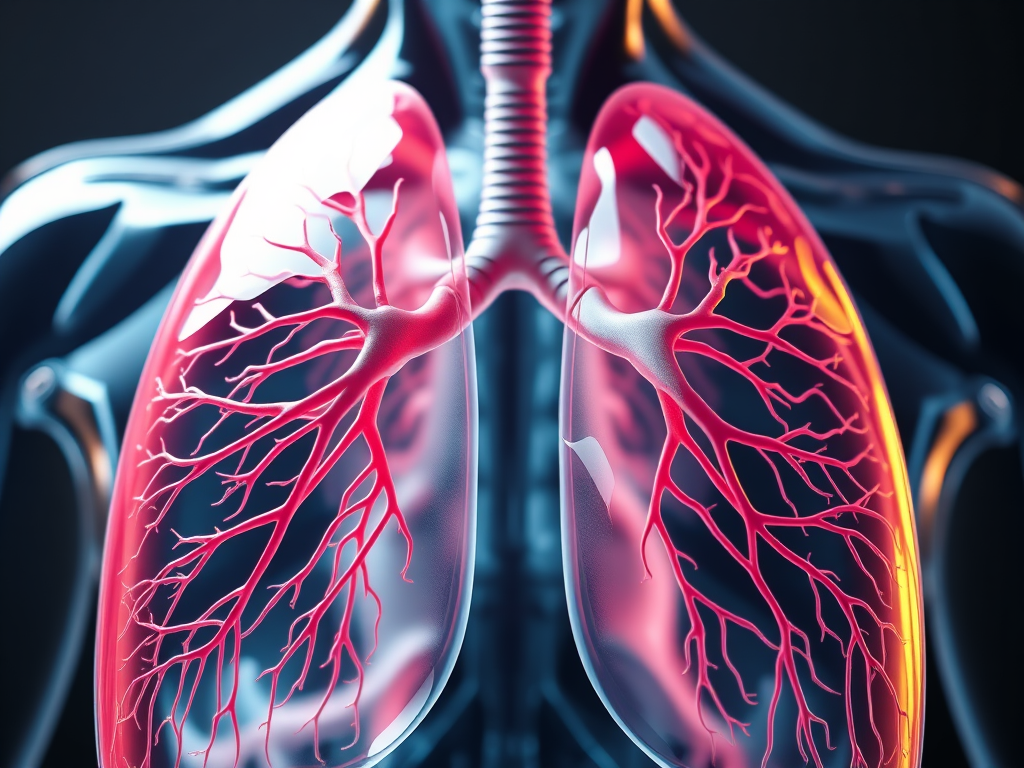
5. Lungs — The Gas Exchange Pathway
What they do:
The lungs eliminate carbon dioxide and volatile toxins.
How to support them:
- Nasal breathing
- Fresh air
- Gentle breathwork (not forceful)
- Reducing indoor air toxins
Healthy signs:
- Calm breathing
- Good stamina
Overload signs:
- Shortness of breath
- Chest tightness
- Anxiety-linked breathing patterns
6. Lymphatic System — The Drainage Network
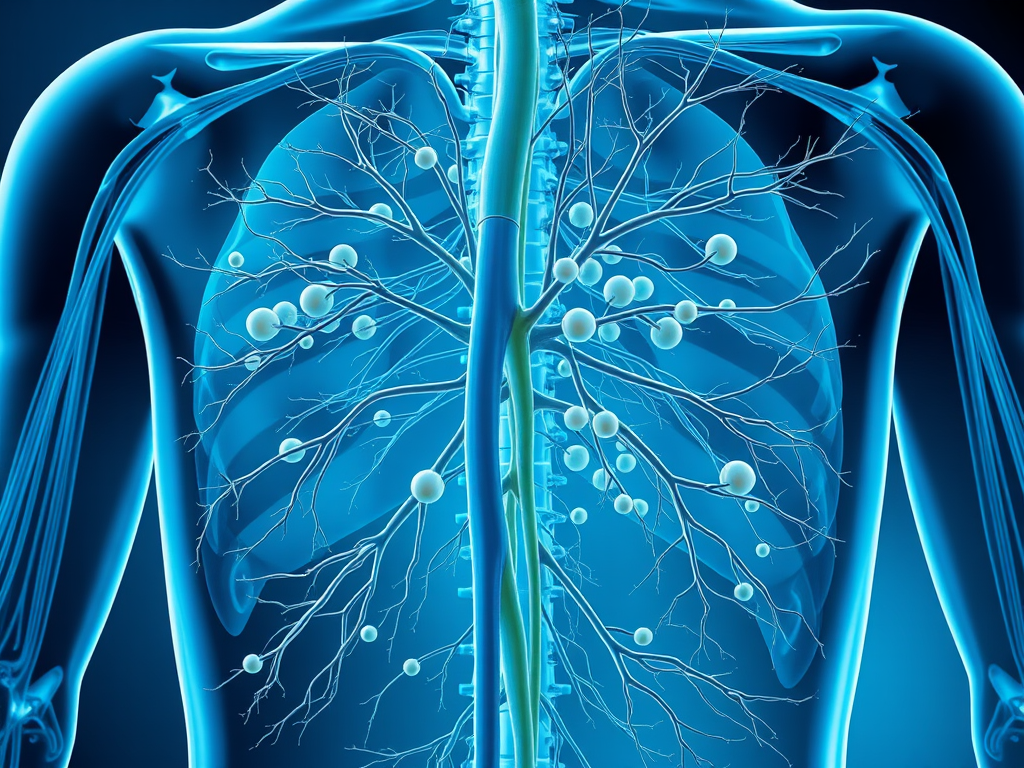
What it does:
The lymph system moves waste from tissues toward elimination organs. It has no pump — it relies on movement.
How to support it:
- Walking
- Weight lifting
- Rebounding or vibration plate The Vibration Plate I Use Here
- Dry brushing
- Manual lymphatic massage
- Deep diaphragmatic breathing
Healthy signs:
- Reduced swelling
- Clear head
- Better immune resilience
Overload signs:
- Swollen lymph nodes
- Puffiness
- Fatigue
- Brain fog
7. Gallbladder & Bile Flow — The Unsung Hero
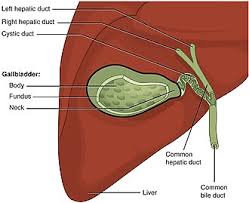
What it does:
Bile binds toxins so they can leave via stool. Without good bile flow, detox backs up.
How to support it:
- Healthy fats
- Bitter foods
- Regular meals
- Avoid chronic undereating
Healthy signs:
- Normal digestion of fats
- Regular stools
Overload signs:
- Nausea with fatty foods
- Pale stools
- Constipation
- Hormone issues
Which Pathway Needs Support First?
Order matters.
Before stimulating detox:
- Colon
- Kidneys
- Lymph
- Gallbladder
- Liver
- Skin & lungs (support continuously)
👉 If waste can’t exit, mobilizing toxins makes symptoms worse.
Most commonly neglected pathway:
➡️ Colon + bile flow
Detox Myths vs Reality
Myth: Detox means harsh cleanses
Reality: Detox means supporting elimination
Myth: Feeling worse means it’s working
Reality: Feeling worse usually means overload
Myth: Supplements do the detox
Reality: Your organs do — supplements assist
Myth: Faster is better
Reality: Slow, steady elimination is safer
When Extra Support Is Needed
Extra support may be needed if:
- Symptoms worsen with detox attempts
- Chronic constipation is present
- Hormone issues persist
- Chemical sensitivities are high
- Nervous system is already overwhelmed
In these cases, stabilization and drainage come first — not aggressive protocols.
A Simple Daily Detox Support Routine
Morning
- Hydration
- Gentle movement or walking
- Light stretching or lymph stimulation
Midday
- Protein-rich meals
- Fiber from whole foods
- Deep breathing breaks
Evening
- Magnesium or mineral support
- Warm shower or bath
- Reduce toxin exposure (lighting, air, products)
Daily Elimination Checklist
✔ Bowel movement today
✔ Adequate hydration
✔ Gentle movement
✔ Protein intake
✔ Sweating or skin support
✔ Calm breathing
✔ Rest and nervous system safety
Final Thoughts
Detoxification is not about pushing the body — it’s about restoring flow.
When elimination pathways are supported, the body naturally releases what it no longer needs. This is why opening drainage pathways is foundational — before detox programs, before healing protocols, and before nervous system work.
Gentle. Consistent. Supportive.
That’s how real detox happens.


 Ryne and Pixie
Leave a reply to How to Reduce Toxins in the Kitchen (A Comprehensive List) – Ryne and Pixie Cancel reply